

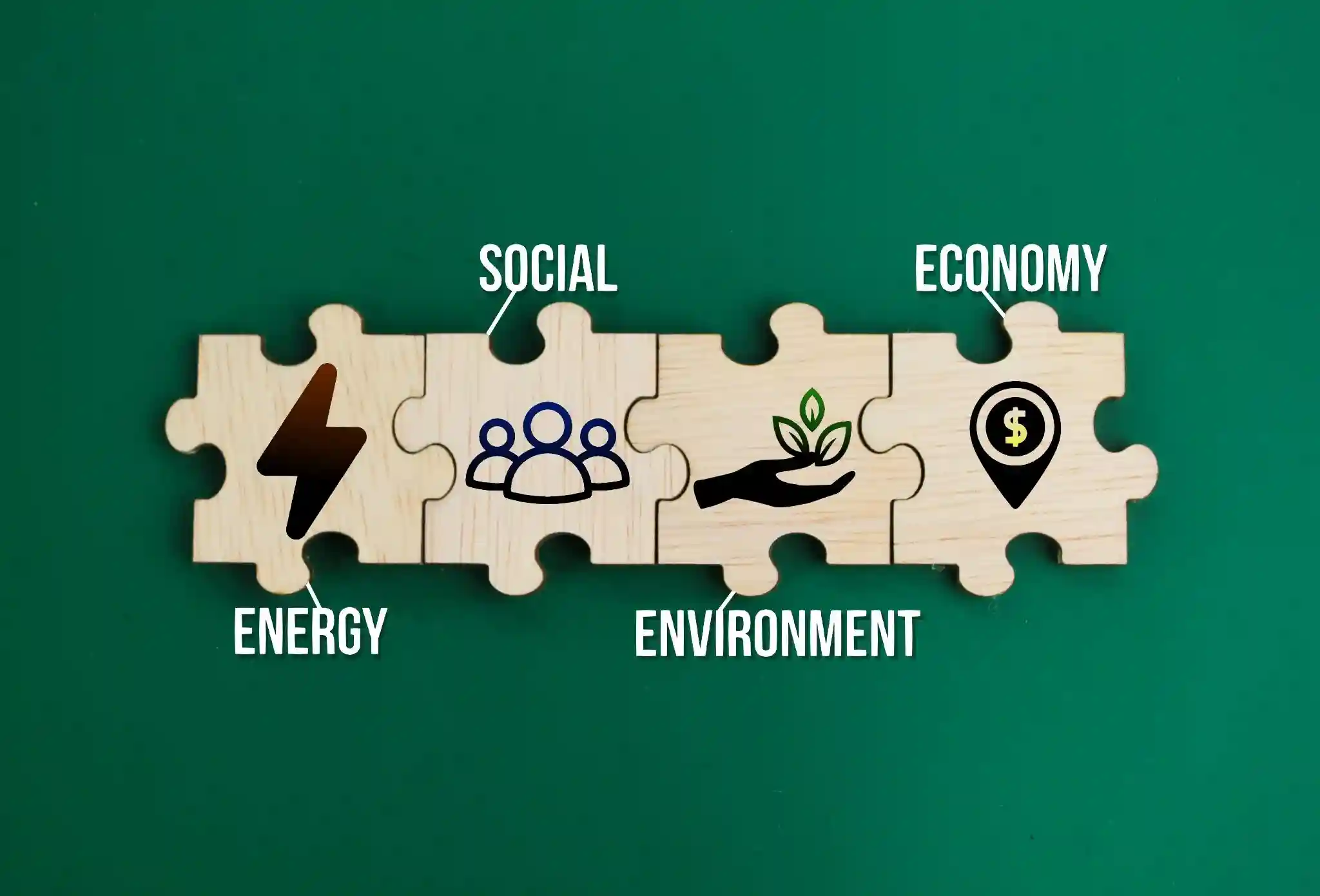
Climate change is no longer a distant or abstract concern, it is a reality that is already affecting weather patterns, natural ecosystems, and everyday life across the globe. From rising temperatures to increasing natural disasters, the impact is becoming more visible each year. While large-scale solutions often focus on governments and corporations, individuals also play a critical role in shaping the future of the planet.
The idea that one person cannot make a difference is one of the biggest misconceptions when it comes to climate action. In truth, meaningful change often begins at the individual level. When people adopt sustainable habits, influence others, and make conscious decisions, they contribute to a collective movement that drives larger systemic change.
Understanding Climate Solutions
Climate solutions are strategies and actions aimed at reducing environmental damage, lowering greenhouse gas emissions, and promoting long-term sustainability. These solutions exist at multiple levels, including global policies, technological innovation, corporate responsibility, and individual behavior.
While large-scale solutions such as renewable energy systems, environmental regulations, and industrial changes are essential, they are not enough on their own. Individual actions act as the foundation that supports and reinforces these broader efforts.
At the individual level, climate solutions focus on everyday decisions that collectively reduce environmental impact. These include:
-
Reducing personal carbon emissions through lifestyle choices
-
Conserving natural resources such as water and energy
-
Supporting sustainable products and environmentally responsible businesses
What makes individual action powerful is its scalability. One person making a change may seem insignificant, but when multiplied across communities, cities, and countries, the impact becomes substantial.
Understanding this connection between personal behavior and global outcomes helps individuals see that they are not separate from the solution, they are an essential part of it.
Why Individual Action Matters More Than Ever
1. The Power of Collective Behavior
One of the most important reasons individual action matters is the concept of collective impact. Environmental challenges are large-scale, but so is the population contributing to them. When millions of individuals make small changes, the cumulative effect becomes significant.
For example, consider energy consumption. If a large number of households reduce unnecessary electricity use, the demand for energy decreases. This, in turn, reduces the need for fossil fuel-based power generation, leading to lower emissions.
Similarly, small changes such as reducing plastic use or conserving water may seem minor on their own, but when practiced widely, they lead to measurable environmental improvements.
2. Shaping Social and Cultural Norms
Individual behavior plays a key role in shaping societal expectations and cultural norms. When sustainable practices become common, they influence others to adopt similar habits.
For instance:
-
Reusable products becoming more popular
-
Increased awareness of eco-friendly lifestyles
-
Growing demand for ethical consumption
These shifts create a ripple effect. As more people embrace sustainability, it becomes the standard rather than the exception. This cultural transformation is essential for long-term environmental progress.
3. Influencing Markets and Industries
Consumer behavior has a direct impact on businesses. When individuals choose sustainable products, companies respond by adapting their practices to meet demand.
This influence can lead to:
-
Increased production of eco-friendly goods
-
Reduction in harmful manufacturing practices
-
Greater corporate accountability
In this way, individuals indirectly shape industries by influencing what is produced and how it is produced.
4. Supporting Policy and Systemic Change
Individual actions also play a role in supporting larger environmental policies. Governments are more likely to implement and enforce sustainability measures when there is public support.
When individuals:
-
Advocate for environmental policies
-
Participate in community initiatives
-
Raise awareness about climate issues
They contribute to a broader movement that encourages systemic change.
Key Ways Individuals Can Support Climate Solutions
1. Reducing Energy Consumption
Energy use is one of the largest contributors to greenhouse gas emissions. Individuals can significantly reduce their environmental impact by being mindful of how they use energy in their daily lives.
This does not always require major changes. Simple habits can make a difference, such as turning off lights when not in use or choosing energy-efficient appliances. Over time, these small adjustments lead to reduced energy demand and lower emissions.
Additionally, individuals can explore alternative energy options where available, such as solar power or energy-saving technologies. These choices contribute to a more sustainable energy system.
2. Choosing Sustainable Transportation
Transportation is another major source of carbon emissions. Individual choices in this area can have a noticeable impact on the environment.
Instead of relying solely on private vehicles, individuals can consider:
-
Walking or cycling for short distances
-
Using public transportation
-
Sharing rides through carpooling
These alternatives reduce fuel consumption and lower overall emissions. In addition to environmental benefits, they also promote healthier lifestyles and reduce traffic congestion.
3. Reducing Waste and Promoting Responsible Consumption
Waste generation is a growing environmental issue, particularly with the rise of single-use products. Individuals can play a key role in reducing waste by adopting more sustainable consumption habits.
This includes:
-
Avoiding unnecessary purchases
-
Reusing items whenever possible
-
Properly sorting and recycling waste
By reducing waste at the source, individuals help decrease pollution and conserve natural resources.
4. Making Conscious Consumer Decisions
Every purchase has an environmental impact, from production to packaging and transportation. By making informed choices, individuals can support sustainability.
For example:
-
Choosing products with minimal packaging
-
Supporting environmentally responsible brands
-
Prioritizing quality over quantity
These decisions influence the market and encourage businesses to adopt more sustainable practices.
5. Conserving Water Resources
Water conservation is often overlooked but is essential for sustainability. Efficient use of water reduces strain on natural resources and the energy required for water treatment.
Simple actions include:
-
Fixing leaks promptly
-
Using water-efficient appliances
-
Avoiding unnecessary water usage
These habits contribute to long-term environmental stability.
6. Supporting Environmental Initiatives and Communities
Beyond personal habits, individuals can extend their impact by participating in community efforts. Local initiatives often address environmental issues directly and create opportunities for collective action.
Examples include:
-
Community clean-up drives
-
Tree planting programs
-
Environmental awareness campaigns
These activities strengthen community engagement and amplify individual contributions.
7. Educating and Influencing Others
Awareness spreads through communication. When individuals share knowledge and lead by example, they inspire others to adopt sustainable practices.
This influence can take many forms:
-
Conversations with friends and family
-
Sharing information through social platforms
-
Demonstrating sustainable habits in daily life
Education is one of the most powerful tools for creating lasting change.
Challenges Individuals Face in Climate Action
1. Limited Awareness and Information
Not everyone fully understands how their actions impact the environment or what steps they can take to make a difference. Lack of clear and accessible information can prevent individuals from adopting sustainable habits.
2. Convenience and Habitual Behavior
Many unsustainable practices are deeply ingrained in daily routines. Changing these habits requires effort and consistency, which can be challenging for individuals.
3. Accessibility and Affordability Issues
Sustainable options are not always easily accessible or affordable. In some cases, eco-friendly products or services may be limited or more expensive.
4. Perception of Insignificance
A common barrier is the belief that individual actions do not matter. This mindset can reduce motivation and slow progress.
The Future of Individual Climate Action
The future of climate solutions will increasingly depend on the combined efforts of individuals, communities, and institutions. As awareness continues to grow, sustainable practices are likely to become more integrated into everyday life.
Technological advancements will make it easier for individuals to monitor and reduce their environmental impact. Smart systems, eco-friendly innovations, and improved access to sustainable products will support these efforts.
In addition, education and policy support will play a key role in encouraging individual participation. As more people adopt sustainable habits, these behaviors will become the norm rather than the exception.
FAQs
1. Can individual actions really make a difference in climate change?
Yes, individual actions can make a meaningful difference when combined with the efforts of others. While one person’s impact may seem small, millions of individuals adopting sustainable habits can significantly reduce emissions and waste. These actions also influence industries and policies, creating a broader effect that contributes to long-term environmental change.
2. What is the simplest way to start supporting climate solutions?
The simplest way to start is by making small, consistent changes in your daily routine. This can include reducing energy use, minimizing waste, and choosing eco-friendly products. Starting with manageable steps makes it easier to build sustainable habits over time, eventually leading to a more environmentally responsible lifestyle.
3. How can individuals influence large companies and governments?
Individuals influence companies and governments through their choices, actions, and collective voice. Supporting sustainable brands, advocating for environmental policies, and participating in community initiatives create demand for change. When enough people prioritize sustainability, businesses and policymakers are more likely to respond with environmentally responsible practices.
4. What are the biggest challenges in adopting sustainable habits?
Common challenges include lack of awareness, limited access to sustainable options, and difficulty changing established habits. Some individuals also feel their actions are insignificant. Overcoming these challenges requires education, accessibility, and a shift in mindset toward long-term responsibility and collective impact.
Final Thoughts
Individuals play a crucial role in supporting climate solutions by turning awareness into action. While global policies and technological advancements are essential, lasting change depends on consistent efforts at the individual level. Everyday choices, when practiced collectively, create a powerful force that drives environmental progress.
By adopting sustainable habits and encouraging others to do the same, individuals contribute to a culture of responsibility and awareness. This collective effort not only addresses current challenges but also helps build a more sustainable and resilient future for generations to come.